Home Blog Page 14

Celebrating Easter in the Netherlands in 2022

0

Easter is celebrated every year in different parts of the world and comes on 17th April this year. Easter is celebrated in various parts of the world, but what makes Celebrating Easter in the Netherlands in 2022 special?

Let’s find out….

All You Need to Know About Celebrating Easter in the Netherlands in 2022

History of Easter in the Netherlands

Easter Sunday is a time for Christians to celebrate Jesus’ resurrection after his death by crucifixion. It is a time of celebration following the solemn fasting period, known as Lent (vastentijd), and the days of mourning, Good Friday and Holy Saturday.

The origins of Easter lie in the Jewish observance of Passover. However, you can trace many rituals and symbols around Easter back to pre-Christian beliefs in much of Europe.

Easter Decorations

Easer decorations bring joy and freshness to all households, and Easter lying in the Spring season is a cherry on top.

The Dutch keenly decorate Easter eggs and do spring-related decorations, and many homes will put up willow branches hung with tiny wooden eggs and bows.

Over the years, these have become more elaborate, the supermarket shelves are groaning under ornaments, and the day is not far when they will resemble Christmas trees.

Easter food 

Easter Sunday in the Netherlands — or as the Dutch call it, Eerste Paasdag, usually consists of a tasty breakfast (Paasontbijt) or brunch (Paasbrunch) featuring the precarious Easter Christmas tree, assorted mini animals and, of course, Paasbrood.

This tasty Easter bread is strangely similar to Kerstbrood (Christmas bread). Both are filled with cinnamon, raisins, and almond paste, but the difference lies in the details! Where Kerstbrood is topped with icing sugar, Paasbrood is often topped with orange peel and almonds.

In the schools of the Netherlands, school children will often have a day where they bring Easter breakfast food in their breakfast boxes into school. Pupils fill a shoe box with ingredients for a tasty breakfast and bring it to class with them.

For the experience of great Easter food, you can visit these famous restaurants:

Egg painting

The Dutch love to paint boiled eggs in adorable patterns. Easter egg painting is number 5 on the Dutch folklore centre’s top 10 Dutch traditions list. And according to the Dutch egg marketing board, we are going to eat 35 million eggs next weekend – not counting all the chocolate ones.

Pro Tip: If you want to do this, be sure to buy a proper egg stand at Blokker or Intertoys so you can colour your egg without getting paint all over your fingers and the rest of the eggs in the box.

Easter Egg Hunt

The Netherlands doesn’t employ the regular Easter bunny for its egg-dispersing needs. The Dutch have a hare, probably because “Easter hare” translates to Paas Haas, which has a pleasant rhyming sound.

Celebrating Easter in the Netherlands
Family Celebrating Easter in the Netherlands

On Easter morning, the paashaas hides decorated eggs in gardens for children to an egg hunt for the next day. These events are organised mainly by parents, schools, or the community. These can be real eggs that have been hollowed out and painted, but more often than not, they are chocolate eggs that have the added attraction of being delicious Easter treats and always a delight to have!!!

Easter outing

Since the whole family has an off day on Easter, it is a perfect excuse to go outside and enjoy events like spring markets, whether they’re small and cosy or a natural day trip worth browsing for the whole family. Below are a few you might want to try:

Kids love outings, and it makes their day special. So go check out some unique places in the Netherlands and end your Easter day with a bunch of memories and let us know in the comments how you celebrated Easter in the Netherlands in 2022.

Happy Easter!!!

How to Develop a Gamification Strategy That Will Benefit Your Business

0
Boost your Business with Gamification

The corporate environment may feel quite severe at times, which is generally a good thing as running a business on your own is a serious and responsible job to do. Therefore, most of the time, the environment within the workplace is result-oriented, and it’s easy to lose sight of the broader picture of the company’s primary goal, which is to keep employees and customers engaged and motivated.

Develop a Gamification Strategy

Since Gamification is not a known field or technique, most businesses are not aware of the full potential of Gamification and perhaps less knowledgeable on which elements to use and how to implement relevant aspects.

The following steps could help you implement Gamification more helpfully. Let’s understand the gamification implementation with the help of A Digital company example.

Develop a Gamification Strategy

Understand the End Goal

Goal: Engage Potential Customer

Before you begin picking gamification elements, it is critical first to understand your final purpose of using Gamification. Why are you using Gamification? What do you want to achieve with the Gamification?

Assume that A Digital is a start-up company in a marketing business. You could be thinking that this isn’t one of a million ideas, that every other firm offers the same services and which is correct.

A Digital has been in business for many years and is still battling to keep its sales funnel full despite its best efforts. Doesn’t it sound bad? A marketing company failing to promote itself may be due to severe competition, poor strategies, or a lack of a forward-thinking approach. Any reason might be given.

A Digital company plans to use Gamification to engage potential clients. Remember, the core business model remains the same.

Select a Medium & Define your Target Audience

Select a Medium

Like all the business ideas, the first thing that you should fix is a Medium. How and where do you want to use Gamification? What do you want to engage your consumers with? Is it a tool, gamified system, serious game (with Gamification), marketing template, or survey form?

A medium does not have a regional target market but knowing your target audience allows you to plan, design, and gamify better. When you know your consumer, your chances of success are pretty high.

What does A Digital decide?

After in-depth competitor analysis, A Digital decided to implement gamification elements on their website and application.

Gather Requirements

To establish the foundation for the gamified product and implement the gamification concept, requirements from the organization’s perspective, customers, and designers must be put together. You should always gather requirements from the users who will use the gamified system. Going back to our example, in this case, A Digital prepared a set of requirements:

Requirements from a Player perspective:

  • Getting motivated
  • The system includes social features and interaction

Requirements from an Organisation perspective (RO):

  • The system must be user-friendly
  • The method comprises serious content

Requirements from the Designer perspective (DC):

  • Design must be attractive
  • Design elements are deployed properly
  • Fulfil Psychological requirements

Select a Gamification Framework

Once you are clear with the gamification goal and all requirements are set, the next step would be to use a gamification framework that assists in implementing the gamification program and achieving a specified purpose.

There are many frameworks available, for example, 6D, Octalysis, etc. These frameworks react to a unique business aim by employing mechanics and dynamics to drive the behaviours associated with the primary objective.

kakodia D. Gamification Framework
KaVa Gamification Framework

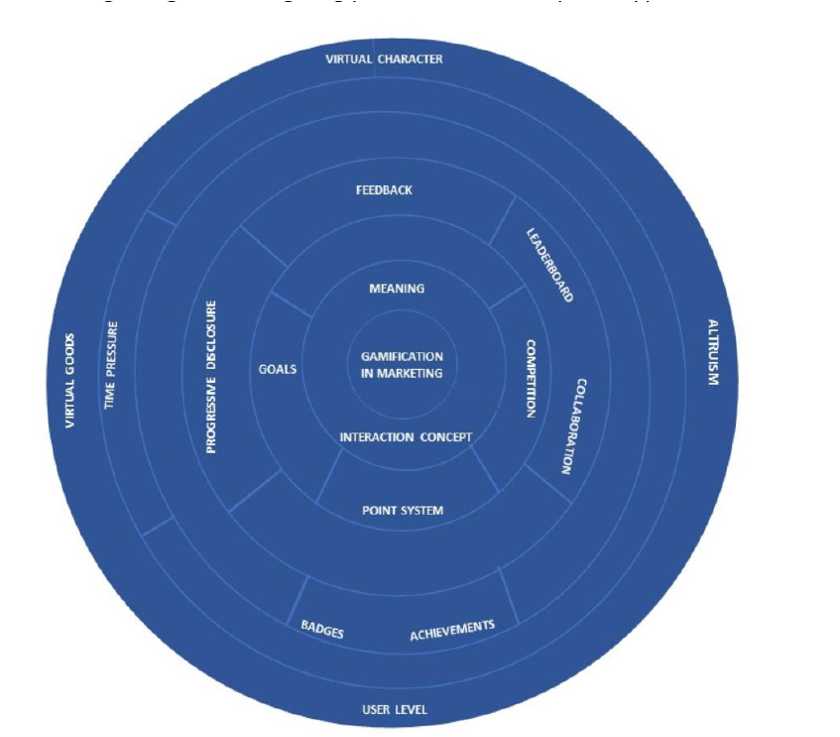
Gamification Elements: Ready, Set, Gamify!

Defining goals, obtaining needs, and so on are typical business activities. If you are planning a Gamification implementation, on the other hand, it is both fun and challenging. Several gamification elements and dynamics are accessible, and determining how many and which game elements to use may be difficult for businesses.

At this point, look back to the goal and requirements and compare them with the framework. The gamification framework should respond to your company’s purpose by using gamification dynamics and mechanics.

Let’s check what A Digital is doing.

A digital selected framework helped them narrow down the selection of gamification elements.

Elements selected by A Digital:

  1. Feedback
  2. Goals
  3. Achievements
  4. Competition
  5. Leaderboard

Implementing Gamification is not rocket science, but it must be done carefully (like A Digital did); it requires theoretical knowledge, clear goals, and risk-taking management.

Boost your business with Gamification by using it as a strategy, tool, or bag with lots of elements. After all, Gamification is for everyone if implemented carefully.

The results of using Gamification are impressive and are being accepted by the business with a more positive attitude than in the previous decade.

Learn how Gamification is A Perfect Marketing Tool & How to Engage Customers

Using Chrome PWA: How to Download PWAs from Google Chrome

3
Using Chrome PWA: How to Download PWAs from Google Chrome

Progressive Web Apps (PWAs) can provide a speedy web experience on your PC or mobile device. You may install the PWA for quicker access and more outstanding capabilities, such as increased storage for offline material.

Before Chrome will trigger the beforeinstallprompt event and display the in-browser install promotion, your Progressive Web App must match the following criteria:

  • The web app has not yet been installed.
  • The user must have clicked or touched at least once on the page.
  • The user must have viewed the website for at least 30 seconds (at any time).

Chrome PWA: How to download a PWA from Google Chrome on a Desktop

  1. Open Chrome on your Desktop.
  2. Navigate to the website you wish to install.
  3. Click Install at the top right of the address bar.
  4. To install the PWA, follow the on-screen instructions.

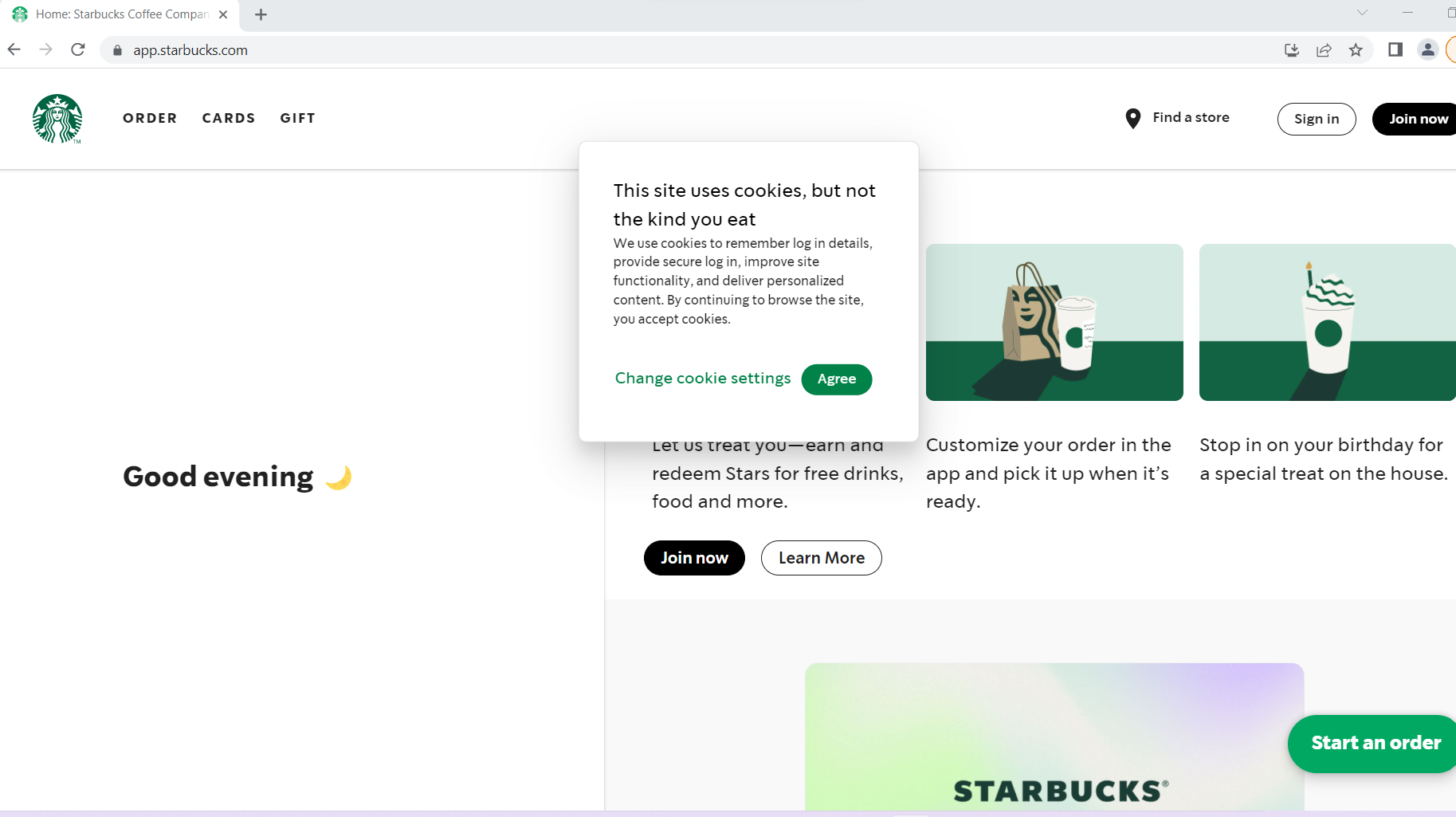
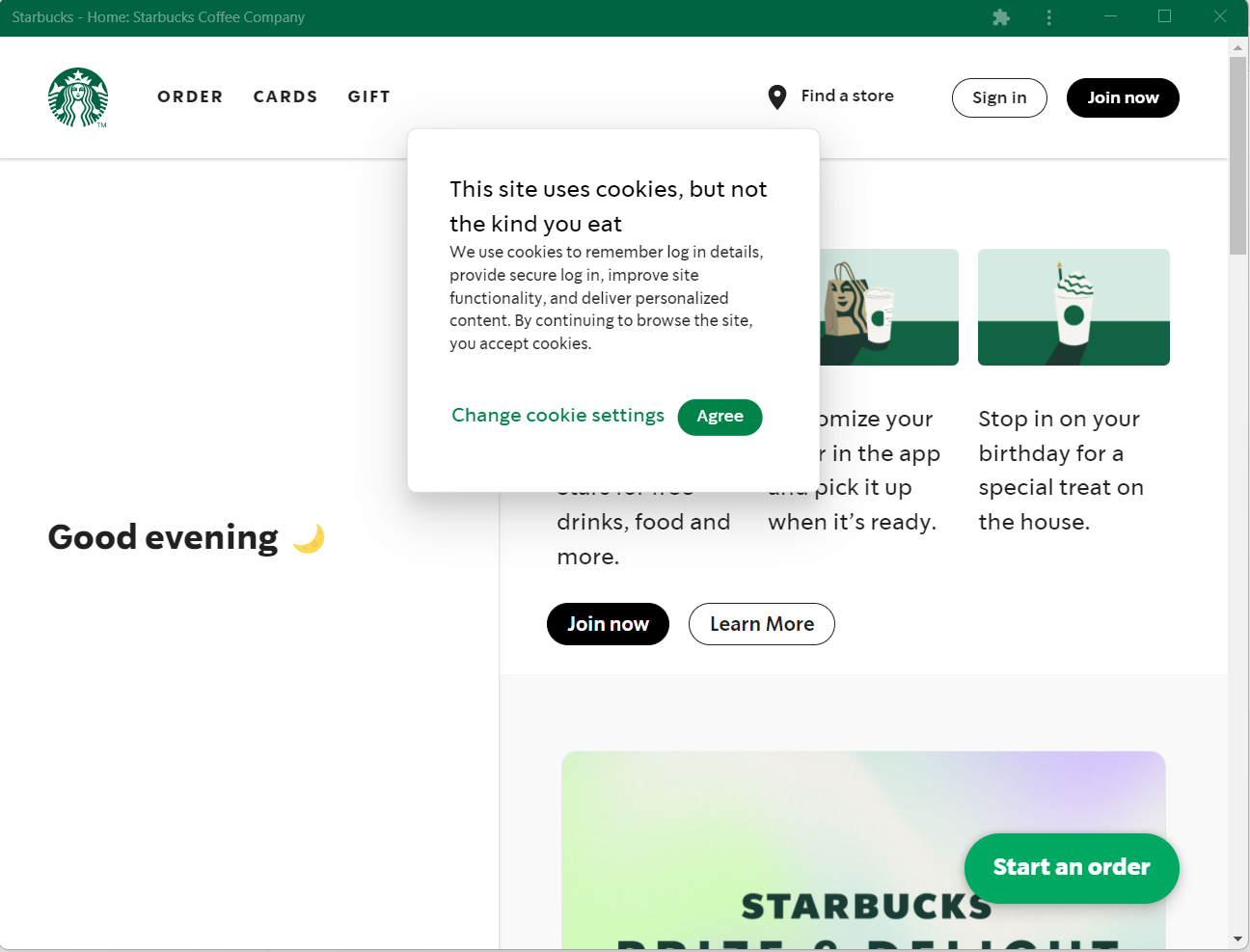
Starbucks PWA

  1. Open Google Chrome.
  2. Navigate to the Starbucks PWA website page you want to download as a PWA from Google Chrome.
  3. A new “install” icon will appear on the Starbucks right-hand side. The install icon looks like an ‘install icon’ symbol inside a computer screen icon, usually to the left of the share this page icon.
  4. First, the phrase “Install” should show briefly before sliding back out of sight.
  5. Install may be accessed by tapping or clicking the install icon.
  6. Click or tap “Install” in the subsequent pop-u to install the app.

Chrome PWA: How to Download PWAs with Android Phone

  • Install a PWA
  • Open Google Chrome on your Android phone.
  • Navigate to the website where you wish to download a PWA.
  • Tap on Install Option.
  • Follow the instructions that are on your Android phone screen.

    Chrome does not support PWAs on iOS.

Common Dutch Words That You Need To Know Before Traveling To the Netherlands

0
List of Number of Countries in the World

The Dutch are the most proficient English speakers who are not native speakers. As a result, studying Dutch is more difficult in the Netherlands.

People will switch to English if they discover you don’t speak Dutch properly. Some people consider studying Dutch to be ‘useless,’ ‘not worth the effort,’ and ‘very time consuming.’ side learning Dutch is a challenging project on which you would feel proud after completion.

On the positive side, studying Dutch is a challenging endeavor that you will be proud of once completed. We feel you should at the least learn a few words to impress Dutch girls on your first date.

Top 12 Common Dutch Words you Must Learn

To make it easy for you we divided Dutch Words into different categories

Greet In Dutch Style

  1. Goedemorgen (“KHOO duh MORE khen”): Good Morning in English, is a good way to start your day.
  2. Goedenmiddag (“KHOO duh midakh”): Good Afternoon in English, the ideal word to greet your coworkers at the lunch table.
  3. Goedenavond (“KHOO dun AH fohnt”): Good Evening in English, commonly used in grocery stores or restaurants.
  4. Hallo (“HAH low”): Hello in English, which is a Universal word.
  5. Hoi (“hoy”): Hi in English, which you can use for casual conversations.

Goodbyes in Dutch Style

  1. Doei or doeg (“dooey” or “dookh”): Informal way to say “Bye.”
  2. Dag (“dakh”): Bye in English.
  3. Tot ziens (“toht zeens”): A formal way to say “See you later.”

Be a Gentlemen

  1. Dank u wel (“dahnk oo vel”): Formal
  2. Bedankt (“buh DAHNKT”): Thanks
  3. Alstublieft (“ALST oo bleeft”): Please in a formal way.
  4. Alsjeblieft (“ALS yuh bleeft”): Please in an informal way.

Stay tuned, for more interesting Dutch Words.

5 Rock-Solid Tips on How to be Productive when Working from Home

0

If you work from home, it’s crucial to establish productivity strategies that will help you stay organised and focused.

Whether you work from home alone or in a shared home office with a spouse, the challenge is that there are several obstacles to overcome. So if you’re facing lack of productivity or seeking methods to improve your work-life balance, here are five tips to help you be productive when working from home:

1. Design a Calming Morning Routine

It’s normal to feel quite relaxed when working from home. Mostly because your schedule isn’t as crazy like before. Getting ready, going to office, commuting and saying those cheeky ‘Good Mornings’. The disadvantage is that you lose your normal morning routine and act more randomly throughout the day.

Creating a morning routine that you follow everyday makes a good impact on your work life and outlook. Try to keep to whatever system you put in place. A morning of rigid habits is credited by many successful people for their personal and financial success. If you haven’t already, this is a fantastic opportunity to get started.

Personally, I follow the SAVERS technique.

Savers stand for

S: Silence
A: Affirmations
V: Visualisation
E: Exercise
R: Reading
S: Scribing

2. Create a Seperate and Specific Workspace

According to several studies, having a dedicated workspace helps you focus and get more done. You might not have enough room in your house to set up a separate workplace. However, you should make every effort to keep your personal area and your workstation as distinct as possible.

Avoid working in your bedroom as much as you can. Your mind associates the bedroom with sleep and laziness. To summarise, do not attempt to sleep and work in the same room.

3. Put Your Phone Aside (& Eliminate Distractions)

Text messages, phone calls, and social media are huge distractions when doing focused work. When you’re constantly interrupted with notifications and are in a cluttered atmosphere, your mind unknowingly creates extra tasks for you to accomplish.

Distracting you from main tasks and putting you in a state of overload.

My recommendation is to choose the least cluttered space in your home, ensure a calm environment, and put your phone in silence.

4. Make A To-Do List and A Not-To-Do List

How to be Productive

Clearly define the tasks you want to accomplish. Keep it short and simple.
After your write down your tasks, prioritise them. Label them 1, 2, 3 and so on.

You’ve made your to-do list, but you’ll also need the opposite if you want to be truly productive.

A not-to-do list should be a permanent fixture in your workstation, listing all of the time-wasters that are getting in the way of your daily objectives, from watching Instagram reels to watching your favourite series on Netflix.

5. Take Regular and Healthy Breaks

Take it easy 🙂

You must take breaks if you want to amplify your productivity!

Breaks provide a unique chance to take your mind off work for a brief period of time, and when used properly, they reduce the risk of burnout while also increasing productivity.

Well, instead of checking your notifications, there are other healthy ways your should look for break time.

For me, it’s a short nap, walking around the home and just playing flute sometimes.

To Summarise

Of course, they aren’t the only methods for increasing productivity, but they are among the most effective. Do you want to get the most out of this article’s words of wisdom? Pick any two ideas and put them into action right now.

Invasion of Ukraine Impacting Business in Russia | List of Famous Companies Pulling Back from Russia

0

Before Russia Ukraine, business in Russia was at its pinnacle. Russia’s invasion of Ukraine has prompted Famous Companies to Pull Back from Russia. Countries that rely on the region’s abundant supply of energy, wheat, nickel, and other necessities may suffer as a result of price increases.

Hundreds of businesses, including fast-food chains, auto makers, oil giants and banks, have now said they are pausing or ending operations in the country. For those that rushed to Russia after the fall of the Soviet Union, the pullback marks the end of an era.

Europe relies on Russia for approximately 40% of its natural gas and 25% of its oil, and is expected to see increases in heating and gas prices, which are already skyrocketing. Ukraine, long considered as Europe’s “breadbasket,” actually sells more than 40% of its wheat and grain to the Middle East or Africa, where there are fears that additional food shortages and price rises would exacerbate civil instability.

Companies have flagged concerns about the conflict, worries about the safety of staff and the complications of doing business in the country as Western sanctions increase. While the relatively small size of the Russian economy—and the perceived difficulty of doing business there—means most multinationals have limited exposure to the country, several have built up businesses there.

In response, Russian prosecutors have issued warnings to Western companies in Russia, threatening to arrest corporate leaders there who criticize the government or to seize assets of companies that withdraw from the country. 

Russian President Vladimir Putin has also expressed support for a law to nationalize assets of foreign companies that leave his country over its invasion of Ukraine. 

Ukrainian President Volodymyr Zelensky, meanwhile, is urging international companies to exit Russia, adding further pressure on executives grappling with how to respond to Moscow’s aggression.

Business in Russia: List of Famous Companies Pulling Back from Russia

Here’s a list of Famous Companies Pulling Back from Russia, they have made up their minds about it!!!

AUTOSENERGY & METALSCONSULTINGINDUSTRIAL
FordEquinorAccenture3 (MMM)
General MotorsBPDeloitteDow
ToyotaExxonKPMG InternationalGeneral Electric
VolkswagenRio TintoEYJohn Deere 
NissanShellPricewaterhouseCoopers (PwC)Caterpillar

Here’s what Auto and Industrial Groups tweeted

HOSPITALITYMEDIA
HyattDirecTV
HiltonDisney
MarriottWarnerMedia
Hospitality and Media

Walt Disney Co. spokesperson said in a statement,

“Given the unprovoked invasion of Ukraine and the tragic humanitarian crisis, we are pausing the release of theatrical films in Russia, including the upcoming Turning Red from Pixar,”

FINANCERETAILTECH
Norway’sCrocsAmazon
MastercardEstée Lauder Companies Apple
VisaH&MFacebook
American ExpressIKEAHitachi
Moody’sImperial BrandsAirbnb
Goldman Sachs InditexNintendo
JPMorgan ChaseMothercareMicrosoft
Western UnionMondelezIntel
CitigroupProcter & GambleSony
PaypalUnileverYoutube
Finance, Retail and Tech

Business in Russia
Starbucks
FOOD AND BEVERAGESMUSICIANS, VENUES, PROMOTERS
Burger KingAJRBrothers
Coca-ColaCarnegie Hall
AB InBevNick Cave
HeinekenGreen Day
McDonald’sHealth
NestleLive Nation
PepsicoMetropolitan Opera
StarbucksLouis Tomlinson
Yum BrandsYungblud
Food and Entertainment

AVIATIONSHIPPING AND LOGISTICS
BoeingFedEx
Airbus United Parcel Service Inc
Logistics

FedEx stated in their official statement,

“This is our top priority. Our team in Europe is staying in close contact with them on a daily basis, and we have temporarily suspended all services in Ukraine for their safety. And, as we support the people of Ukraine, we also have made the decision to suspend all FedEx services in Russia and Belarus.”

The List of Famous Companies Pulling Back from Russia has shown us what wars are capable of. The crisis is also causing a rethinking of the global economy’s structure, as well as worries about self-sufficiency. The epidemic has already revealed the drawbacks of long-distance supply networks that rely on lean manufacturing. This is the impact a war can create.

Stop War!!!

Checkout how Russian Invasion of Ukraine 2022 Risks Global Economic Recovery

What is NATO and Why is NATO not Imposing No-fly Zone in Ukraine?

0

The 30 member countries of NATO met in Brussels to discuss the alliance’s next steps in Ukraine. Diplomatic efforts have failed to end chaos in the country. Why is NATO not Imposing No-fly Zone in Ukraine?

What is NATO?

The North Atlantic Treaty Organization also called the North Atlantic Alliance, is an intergovernmental military alliance among 28 European countries and 2 North American countries. Established in the aftermath of World War II. The members of agree to come to one another’s aid in the event of an armed attack against any one member state.

Its aim was originally to counter the threat of post-war Russian expansion in Europe.

Why isn’t Ukraine a member of NATO?

NATO originally offered Ukraine eventual membership back in 2008, and after Russia’s annexation of Crimea in 2014, Ukraine made joining NATO a priority.

But this hasn’t happened, mainly because of Russia’s long-standing opposition to such a move.

Russia fears NATO is encroaching on its territory by taking on new members in eastern Europe, and that admitting Ukraine would bring NATO forces into its backyard.

Ukraine’s President Zelenskyy has now accepted his country cannot join NATO at present, saying: “It is clear that Ukraine is not a member of NATO. We understand this.”

The UK Prime Minister Boris Johnson made the same point, saying, “There is no way Ukraine is going to join NATO any time soon”.

One of Russia’s demands before the invasion was that Ukraine should never be allowed to join – something the alliance had refused to support.

Why is NATO not Imposing No-fly Zone in Ukraine
Image of Aircraft

Why is NATO not Imposing No-fly Zone in Ukraine?

So now comes the question we have been thinking about this whole time. Why is NATO not Imposing No-fly Zone in Ukraine? But before knowing the reason behind Why is NATO not Imposing No-fly Zone in Ukraine, we must know what is a no-fly zone?

What is a No-fly Zone?

A no-fly zone is an area where certain aircraft cannot fly for any number of reasons. In the context of a conflict such as the one in Ukraine, it would probably mean a zone in which Russian planes were not allowed to fly, to prevent them from carrying out airstrikes against Ukraine.

NATO has imposed no-fly zones in non-member countries before, including Bosnia and Libya. However, it is always a controversial move because it means getting semi-involved in a conflict without fully committing ground forces.

What would happen if NATO imposed a no-fly zone?

The problem with military no-fly zones is that they have to be enforced by military power. If a Russian aircraft flew into a NATO no-fly zone, then NATO forces would have to take action against that aircraft. Those measures could include shooting the plane from the sky. That would, in Russia’s eyes, be an act of war by NATO and would likely escalate the conflict.

Why is NATO not Imposing No-fly Zone in Ukraine?

Neither Ukraine nor Russia is a member of NATO. Putin clearly sees NATO as a direct threat to his authority and has recently criticized its expansion toward Russia, using it as justification for his invasion of Ukraine.

As a result, NATO is extremely reluctant to become directly involved in the Ukraine conflict with a rival nuclear power. While it supports Ukraine’s resistance and recognizes Putin’s actions as an invasion of a sovereign nation, the alliance is simply not prepared to do anything that could be interpreted as a direct act of war on Russia and risk an escalation that could lead to the use of nuclear weapons.

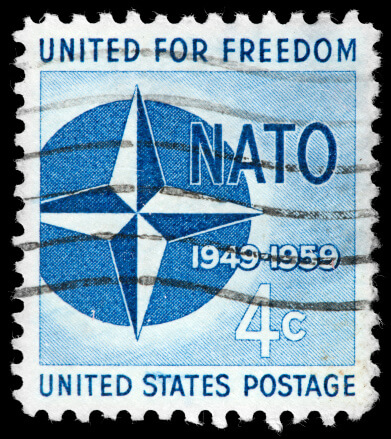
History of Ukraine and NATO

Checkout Treaty of NATO and how it can affect the Russia-Ukraine War

Apply for EU Blue Card Application Netherlands

1
EU BLUE CARD APPLICATION

EU Blue Card, aka European Blue Card (Europese Blauwe Kaart in Dutch), is a Highly Skilled Migrant Visa that allows you to reside and work in the Netherlands.

In this blog, you will learn about the EU Blue Card Application and requirements and how to apply for an EU Blue Card.

What is EU Blue Card?

The EU Blue Card is a residency card for highly qualified third-country nationals in the European Union. The EU Blue Card Directive is incorporated into Dutch immigration law.

The application for the EU Blue Card can be made by either the company or the employee. To get EU Blue Card, you must fulfil a few conditions or requirements.

EU Blue Card Application Netherlands
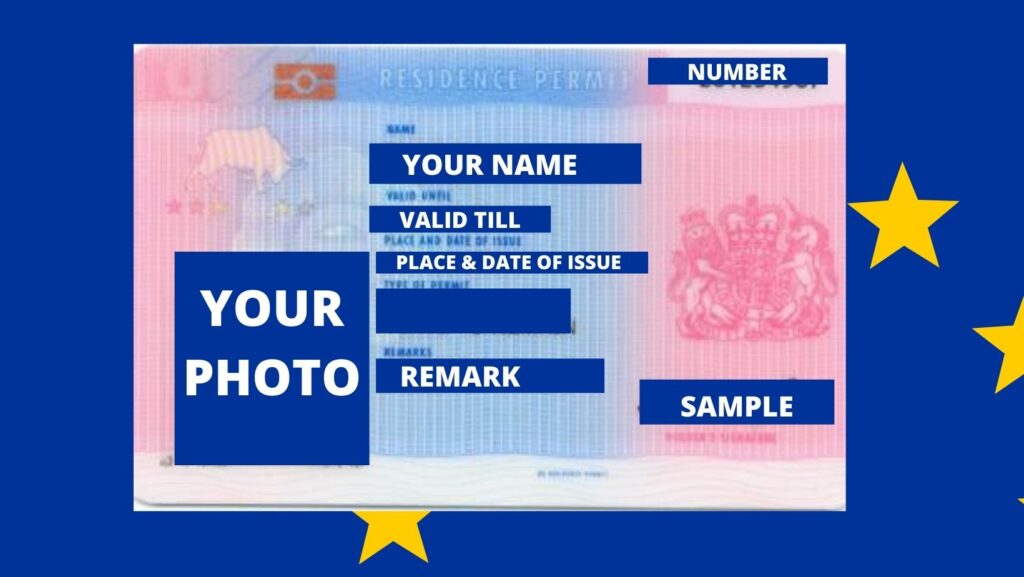
Sample of an EU Blue Card

EU Blue Card Application Procedure and Requirements

EU Blue Card is a single employment and residency card that is one of the possibilities for highly qualified nationals of non-EU Member States to work and remain in the Netherlands.

Who can apply for EU Blue Card?

A European blue card is a work and residency visa for highly skilled workers (expats) from countries other than the EU, EEA, or Switzerland. Check to see which nations are members of the EU and EEA. The information on this page is applicable in the following situations:

Countries Belong to EU and EEA

  1. You do not reside in the EU, EEA, or Switzerland, and you wish to work in the Netherlands and need to apply for a European blue card.
  2. You already have a European blue card residence permit and live in one of the EU countries participating in the European blue card system. You now wish to work as a European blue card holder in the Netherlands.
  3. You are a business owner or an Employer. You wish to hire a foreign employee with a European blue card.

Employer: Sponsor or Recognised Sponsor

If you hire a foreign employee, you are the employee’s sponsor. You can become a recognized sponsor as an employer. Recognized sponsors can swiftly apply for residence permits for employees and their family members.

Employers are not required to become an acknowledged sponsor to recruit an employee for a European blue card: being a recognised sponsor is optional.

Become a recognised Sponsor.

What are the Conditions European Blue Card?

The European blue card residence permit is also subject to the following conditions:

  1. In the Netherlands, the employee has a contract for Highly Skilled Migrant. Work that demands a higher academic certification is considered highly qualified.
  2. The employee’s remuneration is commensurately high.
  3. The employment contract is for a minimum of 12 months.
  4. The employee has a higher level of education. The degree program lasted at least three years. The Degree must be necessary for and relevant to the profession or area the application relates.

    Is the employee a holder of an international degree? Please allow Nuffic to assess the Degree.
  5. Is the employee a member of a protected profession, such as a doctor or a lawyer? You must demonstrate that they fit the legislative criteria for practising that profession in the Netherlands.
  6. The employer must not have received a fine in the five years before the application for breaching Article 2 of the Foreign Nationals Employment Act.

Documents Required for an EU Blue Card Application

  1. A copy of your passport: Pages with personal data, validity period and travel stamps.
  2. A copy of Employment contract: At least 12 months contract.
  3. An employer’s declaration.
  4. For non-recognized sponsors, see the appendix ‘Declaration by sponsor (employment).’ The application form includes this appendix. This declaration must be filled out completely and signed by the employer.
  5. ‘Antecedents Certificate’ is an appendix. The application form includes this appendix. The researcher must complete and sign the Antecedents Certificate as its whole.
  6. A copy of the last three months’ Pay slips.
  7. If the employee studied in the Netherlands: A certified copy of the Degree.
  8. If the employee studied outside the Netherlands: A copy of the degree certificate and the original degree evaluation from Nuffic.
  9. If the employee works in a protected profession: Provide documentation that they satisfy the legislative standards for practising that profession in the Netherlands.

Application form for recognised sponsor

Download Form PDF
Note: The information required in the form might change. Please cross-check check Application Form.

Application form for a sponsor

Download Form PDF
Note: The information required in the form might change. Please cross-check check Application Form.

How to submit your written application

  1. Download and print the form.
  2. Fill out the form and the appendix or appendices as per your situation.
  3. Make a copy of all the supporting documents required.
  4. Send the form, appendix and copy of the documents to the IND via mail. The address is on the application form.

Cost of the EU Blue Card Application

The cost of the application for a European blue card residence permit is € 345.

If you are a recognised sponsor, payment can be made by Direct Debit. Alternatively, the IND sends a letter requesting the amount of the application fees.

​1st application and change in the purpose of cost ​​​€ 345 ​
​Extension ​​​of an existing Blue Card costs € 345 ​
​Holder status long-term resident EU in another EU member state​ ​€ 207

Overview of the expenses for residence permits

Decision period of your application

The IND has 90 days to decide on your European blue card application. This is referred to as the deciding time. You can raise your concerns to the IND if the decision period extends 90 days.

Keep a track of your application

Income requirement for an EU Blue Card

Salary criteria 2022

​Highly skilled migrants 30 years or older​€ 4,840 gross per month
​Highly skilled migrants younger than 30 years​€ 3,549 gross per month
​Reduced salary criterion​€ 2,543 gross per month
​European Blue Card​€ 5,670 gross per month
HSM & European Blue Card

Reduced salary criterion

The reduced salary criterion applies:

  1. For highly educated individuals, the residence permit for employment as a highly-skilled worker is applied for during or immediately following the orientation year.
  2. The highly skilled migrant presently does not have a residence permit for the orientation year for highly educated individuals but formerly did.
    The residence permit for employment as a highly-skilled worker is applied for within three years following graduation, receipt of the doctorate, or expiration of the residence permit for scientific research.
  3. The highly skilled worker did not have a residence permit for the orientation year for highly educated workers but met the requirements for this residential purpose.

What all are included in the salary criterion?

  1. The reimbursements and allowances are in the contract. 
  2. Each month, reimbursements and allowances are deposited to a bank account in the name of the HSM or European blue card holder.

The salary criteria exclude the following compensation elements:

  1. Vacation allowance.
  2. The value of the payment made in kind.
  3. Non-regular pay elements.